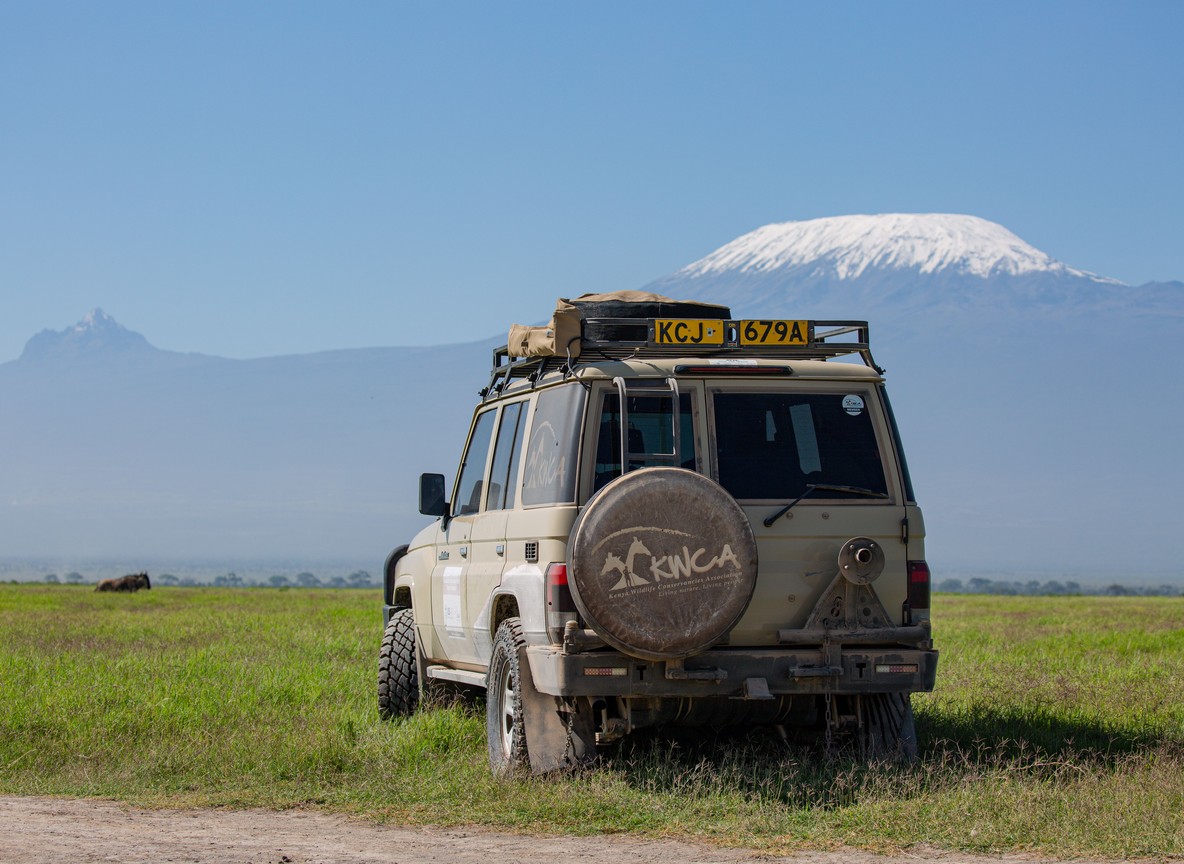
This is one of the most practically useful decisions in Amboseli planning because it does not just change where you sleep. It changes what the whole trip can include. A park lodge puts you directly inside the core park with clean game drive access and straightforward logistics. A community conservancy stay typically offers a broader ecosystem experience: quieter surroundings, more activity variety, and a stronger sense that you are part of the landscape rather than a guest passing through it.
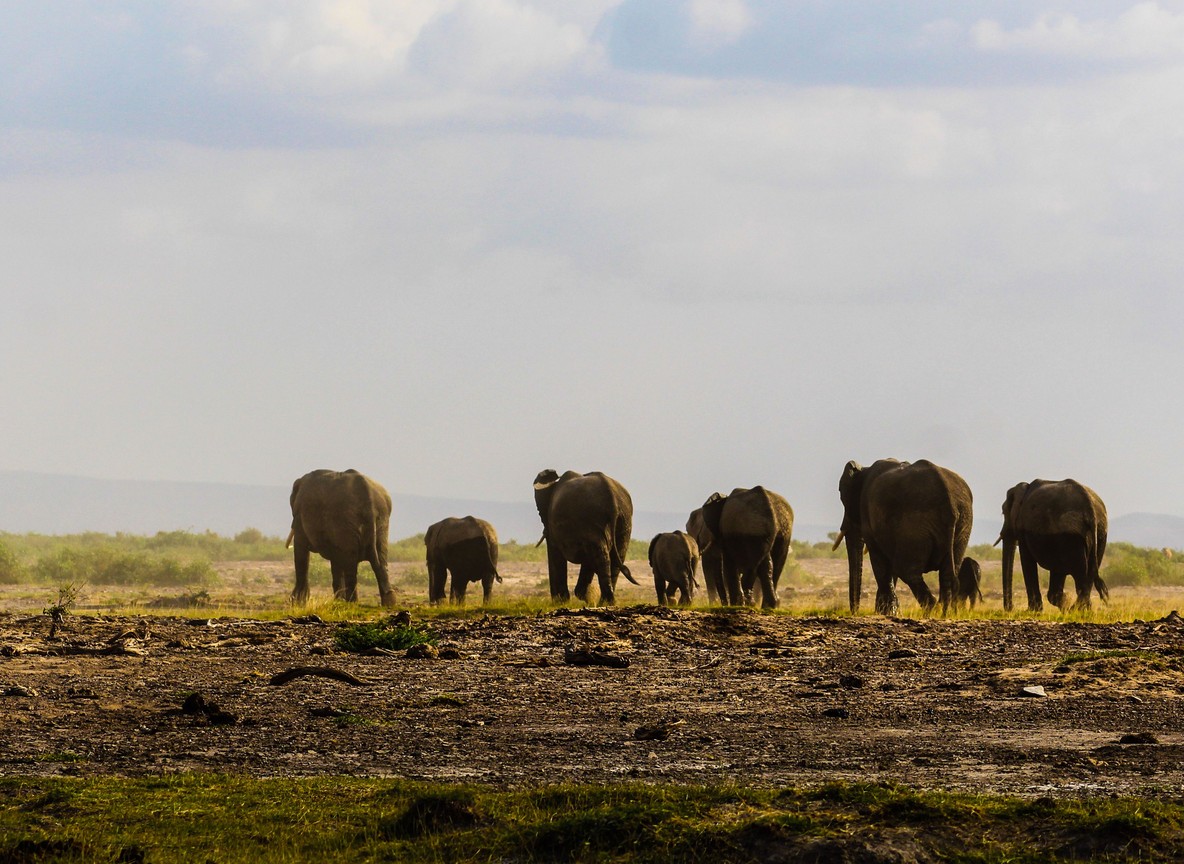
Both are legitimate answers. Neither is universally better.
Quick Comparison
| Factor | Community Conservancy Stay | Park Lodge |
|---|---|---|
| Activity variety | Strong | Moderate |
| Direct park efficiency | Moderate | Strong |
| Best for short trips | Moderate | Strong |
| Atmosphere and privacy | Strong | Moderate |
| First-time simplicity | Moderate | Strong |
| Broader ecosystem feel | Strong | Moderate |
What a Park Lodge Near Amboseli Actually Gives You
Park lodges win on directness. If you want to be inside the core game-viewing area with minimal daily friction, a lodge positioned inside or directly adjacent to Amboseli National Park is the straightforward choice.
Main advantages:
- Faster access to the park’s core wildlife zones without daily gate crossings
- Simpler structure for first-time safari travelers who want clean logistics
- Easier to make the most of short 2-night stays where efficiency matters
- Strong access to Amboseli’s famous swamp-edge elephant viewing
Classic examples in this category include Ol Tukai Lodge and Amboseli Serena Safari Lodge, both positioned within the park boundary or immediately adjacent to it. These properties are built around making Amboseli’s core wildlife experience as accessible as possible.
The trade-off: park lodges operate within standard KWS gate hours (typically dawn to dusk), game drives stay on designated tracks, and the activity menu is primarily limited to morning and afternoon vehicle drives.
For travelers who want exactly that, no complexity needed, a park lodge is the right answer.
What a Community Conservancy Stay Offers
Conservancy stays near Amboseli typically sit on community-leased land outside the national park boundary. This position creates a different kind of trip rather than a lesser one.
Main advantages:
- Quieter setting with less vehicle density around the property
- Access to activities not available inside the national park: walking safaris, night drives, and cultural visits to Maasai communities
- A stay experience that contributes conservation fees directly to Maasai landowner lease payments
- A more layered safari where the camp itself is part of the story, not just a base for park drives
Examples in this category include Tawi Lodge, positioned on a private conservancy near Kimana Gate, and Tortilis Camp, which emphasizes conservancy access and a community-linked position. Both properties offer the park experience on day drives while providing the broader conservancy activities that park lodges cannot.
The conservancy stay works best when the traveler has enough nights to actually use the activity variety. Two nights at a conservancy that offers night drives, walking safaris, and cultural visits, but where game drives are the only activity used, is not getting full value from the setup.
Which Is Better for First-Time Safari Travelers
Usually the park lodge.
First-time visitors benefit from simplicity. The game drive structure is clean and predictable, the logistics are uncomplicated, and there are fewer decisions to make at the planning stage. A first-time traveler who has never been on an African safari does not need the added complexity of choosing between a park drive, a walking safari, a night drive, and a cultural visit on day two.
Conservancy stays can still suit first-timers well when the traveler is explicitly seeking more than standard game drives and has done enough research to know what they want. But as a default recommendation for someone new to Kenya safaris, park lodges reduce uncertainty.
Which Is Better for Repeat Travelers
Often the conservancy stay.
Travelers who have seen the standard Amboseli experience and want something that feels different, more atmospheric, and more contextually connected to the landscape and its people tend to find conservancy properties more rewarding on a return visit. The activity variety is part of it. The quieter camp feel is part of it. The direct connection between the stay and community conservation is part of it.
Trip Length and Which Option It Favors
For 2-night safaris, park lodges usually win. Direct access matters more on short trips. Time lost to daily ecosystem navigation, gate entries, and conservancy logistics is a larger proportion of a 2-night stay than a 4-night one.
For 3-night and longer safaris, conservancy stays become significantly more attractive. With more time, there is room to enjoy the atmosphere, build relationships with guides, and actually use the additional activity options. A night drive on night 2 of a 4-night conservancy stay feels like an extension of the experience. A night drive on night 1 of a 2-night stay feels like a scheduling challenge.
Activities: Where the Choice Becomes Clearest
This is the most concrete difference between the two options.
Park lodges near Amboseli offer:
- Morning game drives (typically 6am to 10am)
- Afternoon game drives (typically 3pm to 6pm)
- Vehicle-based park access during gate hours
- Some properties offer guided walks within or near the park boundary
Community conservancy stays typically add:
- Night drives with spotlighting (revealing nocturnal species not visible on day drives)
- Walking safaris with an armed ranger
- Cultural visits to Maasai villages and community programs
- Sometimes birdwatching walks or guided nature trails in the conservancy
For a traveler whose entire focus is on the big five in game drives, the park lodge keeps things clean. For anyone who wants a more layered Amboseli visit, the conservancy gives options that the park simply cannot.
Atmosphere: The Harder-to-Define Difference
Conservancy stays tend to feel quieter and more intimate. The setting is usually a smaller camp or lodge with fewer guests, and the surrounding landscape is the conservancy rather than the park road network.
Park lodges tend to feel more conventional in a mainstream safari sense. They are well run, often larger, and built for efficient tourist throughput. That is not a criticism: it is what many travelers specifically want.
Neither atmosphere is wrong. The question is which one matches the trip the traveler is trying to have.
Couples and Families: Different Defaults
For couples, particularly on honeymoon or anniversary trips, conservancy stays are the more natural fit. The quieter atmosphere, the more distinctive stay experience, and the activity variety all contribute to something that feels more personal than a standard park lodge.
For families with young children on a shorter trip, park lodges tend to work better. The simpler daily structure is easier to manage with children, accommodation logistics are usually more straightforward, and the 2-night format that suits families most often gets more from a direct park stay.
For families on longer trips with older children, conservancy stays can be excellent: the night drive is often the highlight of the entire trip for teenagers, and the cultural visit adds a dimension that standard game drives cannot replicate.
Value: What “Better Value” Actually Means Here
Park lodge value is concentrated in game drive efficiency: you are paying primarily for access to the core park experience, and you get that directly and cleanly.
Conservancy value is spread differently: the nightly rate is often higher, conservancy fees add a further cost, but the activity menu is broader and the stay quality is often stronger. A conservancy stay at a well-positioned property often delivers a fuller experience over 3 or more nights, even at a higher per-night rate, because the total package includes more.
The right question is not which costs more per night but which delivers more of what you specifically want from the trip.
Explorer Notes
If you are considering a conservancy stay near Amboseli, confirm which activities are actually included in the quoted rate and which carry additional charges. Some properties include night drives and cultural visits in an all-inclusive package; others charge separately. The difference matters for total budgeting.
Also confirm the drive time between the conservancy property and the national park boundary. Some conservancy stays are 15 to 20 minutes from the Kimana or Amboseli main gate, which is manageable. Others are further, which changes how the daily game drive logistics work.
For current property comparisons and conservancy fee structures near Amboseli, trunktrailssafaris.com covers both park lodge and conservancy options with on-ground notes.
What to Read Next
For timing your Amboseli visit across the seasons, the best time to visit Amboseli guide is the most useful reference. If you are also deciding between Amboseli and other Kenyan parks, the Amboseli vs Tsavo comparison covers the key differences. For a broader look at how community conservancies work across Kenya, the community conservancy vs national reserve guide explains the revenue and conservation model in more detail.
Every trip described here can be tailored: dates, budget, camps, and pace built around you.
Get a Personalised SafariFurther reading
- African Wildlife Foundation
- Maasai Mara Wildlife Conservancies Association
- Magical Kenya (Kenya Tourism Board)